


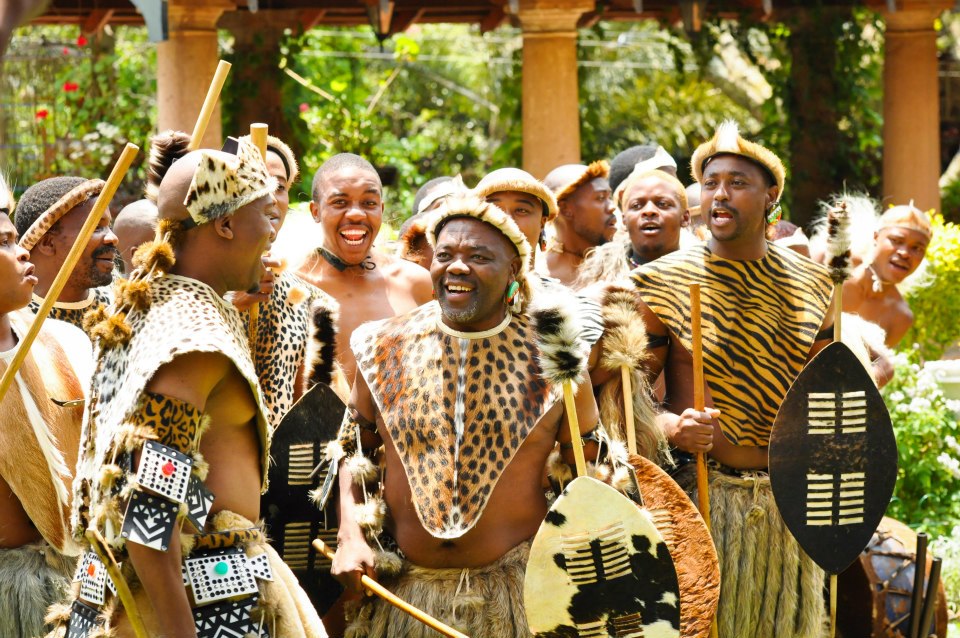
The Zulu people, South Africa’s largest ethnic group with over 12 million members, boast a cultural heritage steeped in history, artistry, and spirituality. Known for their resilience and vibrant traditions, the Zulu have preserved their identity despite colonialism and modernization. This article delves into the pillars of Zulu culture—its storied past, social customs, artistic expressions, and enduring relevance in contemporary South Africa.
Historical Legacy: The Zulu Kingdom and Shaka’s Reign
The Zulu Kingdom rose to prominence in the early 19th century under King Shaka Zulu, a revolutionary leader who united disparate clans into a centralized nation. Shaka’s military innovations, such as the “bull horn” formation, made the Zulu army unmatched in southern Africa. Though the kingdom fell to British colonial forces in 1879 after the Anglo-Zulu War (notable for the Zulu victory at Isandlwana), its legacy of unity and resistance remains a cornerstone of Zulu pride. Today, the monarchy persists under King Misuzulu kaZwelithini, symbolizing cultural continuity.
Social Structure: Clans, Kinship, and Community
Zulu society revolves around izithakazelo (clan names) that trace lineage and strengthen communal ties. Each clan, led by a chief (inkosi), practices collective decision-making. Family structures emphasize respect for elders, who mediate disputes and oversee rituals. Traditional homesteads (imizi), once composed of thatched beehive huts, now blend modern housing with symbolic elements like the indlu (main family hut).
Artistic Expression: Dance, Music, and Craftsmanship
Zulu artistry is a dynamic blend of movement and symbolism. The Indlamu warrior dance, performed with shields and spears, celebrates strength and history. Women’s dances like the uMkhomazi use graceful gestures to tell stories of daily life. Music features drums (izingubhu), the musical bow (ugubhu), and call-and-response vocals.
Beadwork serves as a visual language:
- White: Purity and love.
- Blue: Faithfulness and honesty.
- Green: Renewal and growth.
Skilled artisans also craft woven baskets and clay pottery, preserving ancestral techniques.
Spirituality: Ancestors and Healing Practices
Zulu spirituality centers on ancestor veneration (amadlozi), believed to guide and protect the living. Rituals like ukubuyisa (reintegrating ancestors through offerings) and Umemulo (a woman’s 21st birthday celebration) honor familial bonds. Sangomas (diviner-healers) diagnose physical and spiritual ailments using bones, herbs, and dream interpretation. The annual Umhlanga (Reed Dance), attended by thousands, highlights cultural pride and youth education.
Spirituality: Ancestors and Healing Practices
Zulu spirituality centers on ancestor veneration (amadlozi), believed to guide and protect the living. Rituals like ukubuyisa (reintegrating ancestors through offerings) and Umemulo (a woman’s 21st birthday celebration) honor familial bonds. Sangomas (diviner-healers) diagnose physical and spiritual ailments using bones, herbs, and dream interpretation. The annual Umhlanga (Reed Dance), attended by thousands, highlights cultural pride and youth education.
Modern Zulu Identity: Bridging Past and Present
While urbanization and globalization pose challenges, Zulu culture thrives through:
- Language: IsiZulu, one of South Africa’s 11 official tongues, is taught nationwide.
- Tourism: Cultural villages like Shakaland showcase traditions.
- Media: Zulu music (e.g., maskandi genre) and TV dramas (e.g., Isibaya) reach global audiences.
The monarchy and events like Heritage Day (September 24) reinforce national pride.
Zulu culture, a vibrant thread in South Africa’s tapestry, embodies resilience and adaptability. From Shaka’s enduring legacy to the pulsating rhythms of modern maskandi music, the Zulu people honor their heritage while embracing progress. Their philosophy of “Ubuntu”—”I am because we are”—reminds the world of the power of community, a value as relevant today as centuries ago.


