


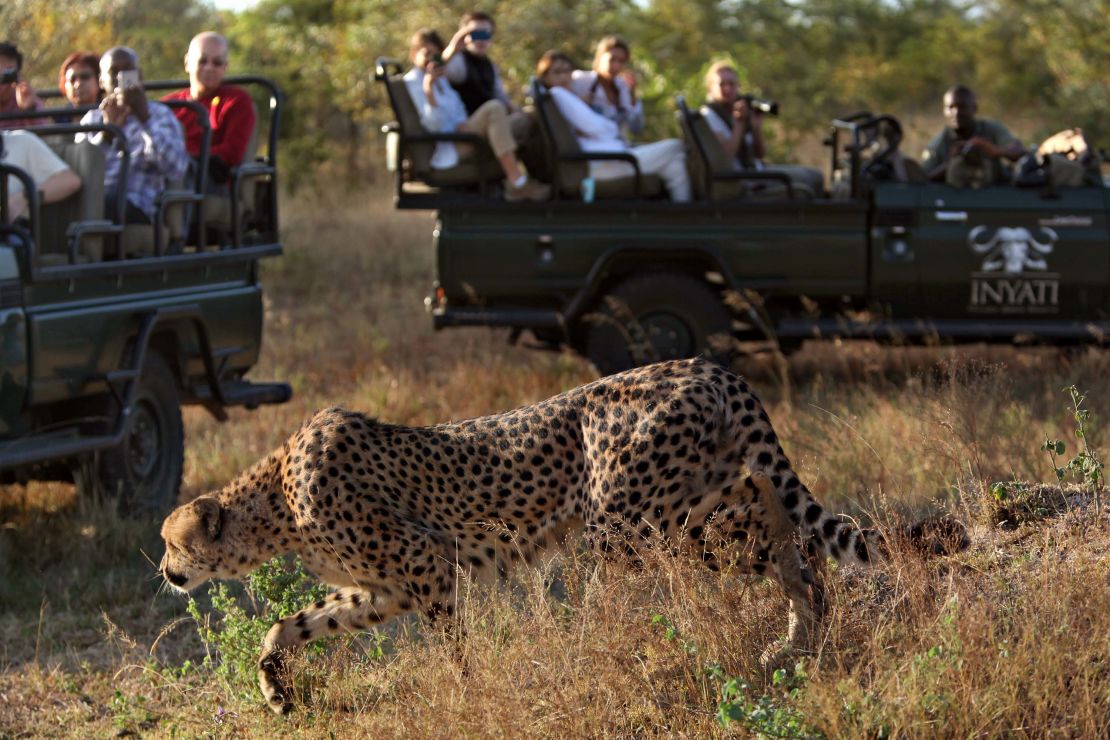
Nestled in the northeastern corner of South Africa, Kruger National Park stands as a crown jewel of African wildlife conservation and adventure. Spanning nearly 2 million hectares (19,485 km²), this iconic park is not only one of Africa’s largest game reserves but also a sanctuary where nature, culture, and history converge. For travelers seeking an authentic encounter with the wild, Kruger is unparalleled—a place where the rhythm of the African bush pulses through every sunrise and sunset. Here’s why it deserves the top spot on your South African itinerary.
A Wildlife Wonderland
Kruger is synonymous with the Big Five (lion, leopard, elephant, buffalo, and rhino), but its biodiversity extends far beyond these iconic species. Home to over 500 bird species, 147 mammals, and 114 reptiles, the park offers a microcosm of Africa’s ecological richness. The southern regions teem with wildlife, making it ideal for first-time visitors, while the remote northern stretches—like Pafuri and Punda Maria—offer solitude and rare sightings of nyala and Pel’s fishing owl.
The park’s varied landscapes, from acacia-dotted savannahs to dense mopane woodlands and the dramatic Lebombo Mountains, create a tapestry of habitats. Seasonal shifts add drama: the dry winter months (May–September) draw animals to waterholes, while summer (October–April) transforms the park into a lush nursery for newborns and migratory birds.
Adventure for Every Traveler
Whether you’re a luxury seeker or a rugged explorer, Kruger caters to all. Self-drive safaris empower visitors to traverse 2,500 km of well-maintained roads at their own pace, while guided game drives led by expert rangers reveal hidden corners and nocturnal wonders. For the intrepid, bush walks offer spine-tingling proximity to nature, where the crunch of leaves underfoot and the distant roar of a lion redefine connection to the wild.
Nearby private reserves, such as Sabi Sands and Timbavati, elevate the experience with exclusive lodges, off-road driving, and night safaris. These concessions share unfenced borders with Kruger, ensuring wildlife roams freely while offering intimate, crowd-free encounters.
Where Culture Meets Conservation
Kruger’s legacy isn’t limited to wildlife. Ancient archaeological sites like Thulamela and Masorini whisper tales of Iron Age civilizations and early trade routes. The park also collaborates with local communities, ensuring tourism benefits surrounding villages through employment and cultural tours.
Conservation lies at Kruger’s heart. As a frontline defender against poaching, the park employs cutting-edge technology and anti-poaching units to protect rhinos and other endangered species. Visitors contribute directly to these efforts through park fees, making each safari a act of preservation.
Accommodation: From Starlit Camps to Luxury Lodges
Sleep under the African sky in Kruger’s rest camps, ranging from basic camping at Letaba to family-friendly bungalows at Skukuza. For indulgence, private lodges like Singita and Londolozi offer plunge pools, gourmet dining, and spa treatments—all with prime game-viewing opportunities.
Accessibility and Practical Tips
Kruger’s gates are a 4–5 hour drive from Johannesburg, with daily flights to Skukuza and Hoedspruit airports. While malaria is present, prophylactics and mosquito precautions mitigate risks. The best time to visit depends on your priorities: dry seasons for wildlife density, green seasons for landscapes and birding.
Why Kruger Reigns Supreme
Compared to South Africa’s other attractions—Cape Town’s urban charm or the Garden Route’s coastal beauty—Kruger offers something irreplaceable: raw, untamed wilderness. It’s a place where elephants trumpet at dawn, leopards lounge in marula trees, and a million stars illuminate the night. Here, every moment is a story waiting to unfold.


