


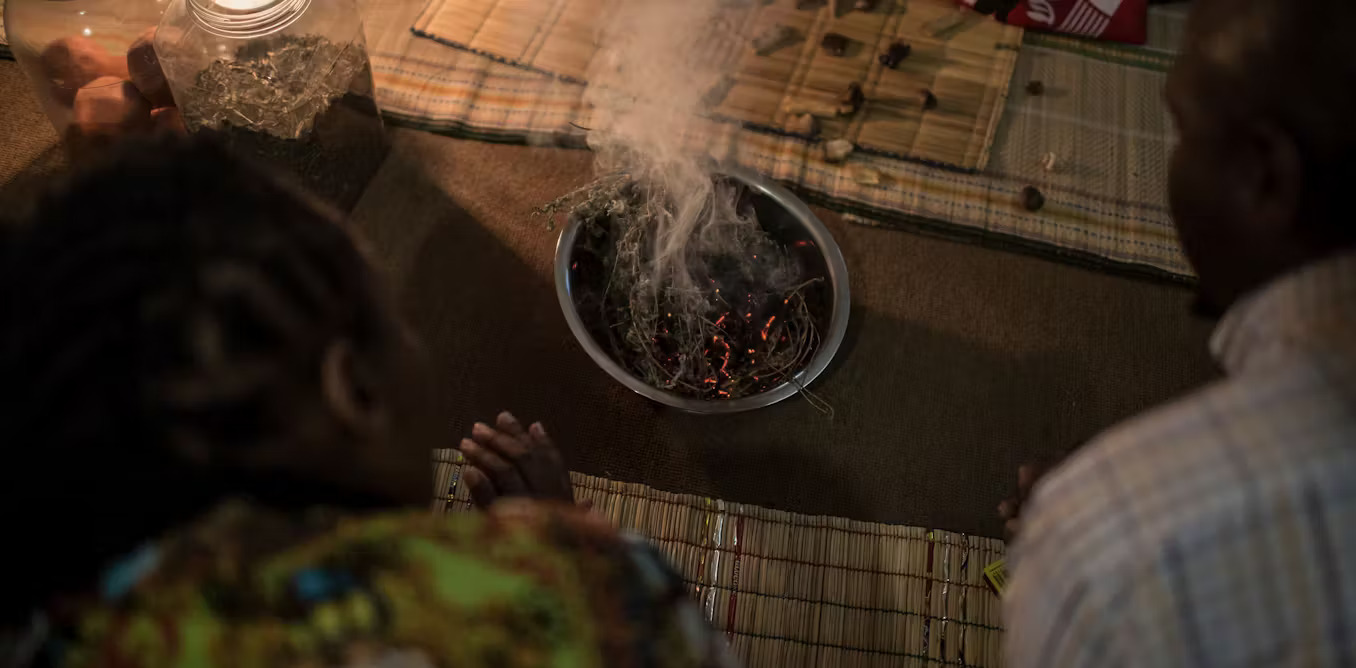
In various cultures worldwide, individuals often turn to traditional healers to diagnose illnesses and seek remedies. This practice is particularly prevalent in regions like sub-Saharan Africa, where traditional healers are frequently sought after for treating diverse ailments. However, this reliance on traditional healers can pose challenges for patients, potentially delaying access to essential care from formal health facilities. This issue is particularly critical in the context of HIV treatment, where early intervention is crucial. Moreover, studies indicate that traditional medicine might impact the effectiveness of antiretroviral treatment.
To gain insights into how individuals living with HIV in rural South African communities consult traditional healers and the consequent impact on seeking treatment from local clinics, our study focused on rural northeastern South Africa. This region exhibits a high HIV prevalence of 19.4% among adults, making it one of the highest in the world.
The findings revealed that certain traditional healers continued to address HIV and associated opportunistic infections in HIV-positive individuals. Interestingly, these healers also referred their patients for HIV testing at public health facilities, indicating an acknowledgement of the importance of such testing. This study raises crucial questions about the potential role of traditional healers in healthcare provision and suggests that collaboration with them could lead to integrated healthcare approaches, aligning with findings from studies in other developing countries.
Individuals seek care from traditional healers for various reasons, including easier accessibility, medication shortages at formal healthcare facilities, and cultural resonance with the healers’ explanations of their conditions. Research indicates that people often perceive better treatment from traditional healers than from caregivers in the public health system.
Efforts have been made to integrate traditional healers into formal healthcare systems in several African countries, with varying degrees of success. Successful partnerships have resulted in increased knowledge of diseases among traditional healers, reduced delays in patient care, and improved relationships between healers and health professionals.
In Mozambique, ongoing research with traditional healers has led to developing a referral-back-referral system. Traditional healers refer patients to clinics for testing, and patients return with clear referrals of the clinic’s findings. Our research echoes these results, with approximately 85% of traditional healers referring their patients for HIV testing before initiating traditional care. Traditional healers use a patient’s CD4 count to decide whether further traditional treatment should be offered.
Despite significant progress in managing the HIV/AIDS pandemic, understanding and addressing barriers to existing care remain crucial. While advancements in treatment and delivery systems are essential, acknowledging the potential complementary role of traditional healers could contribute to further reducing and ultimately ending the HIV/AIDS pandemic.


