


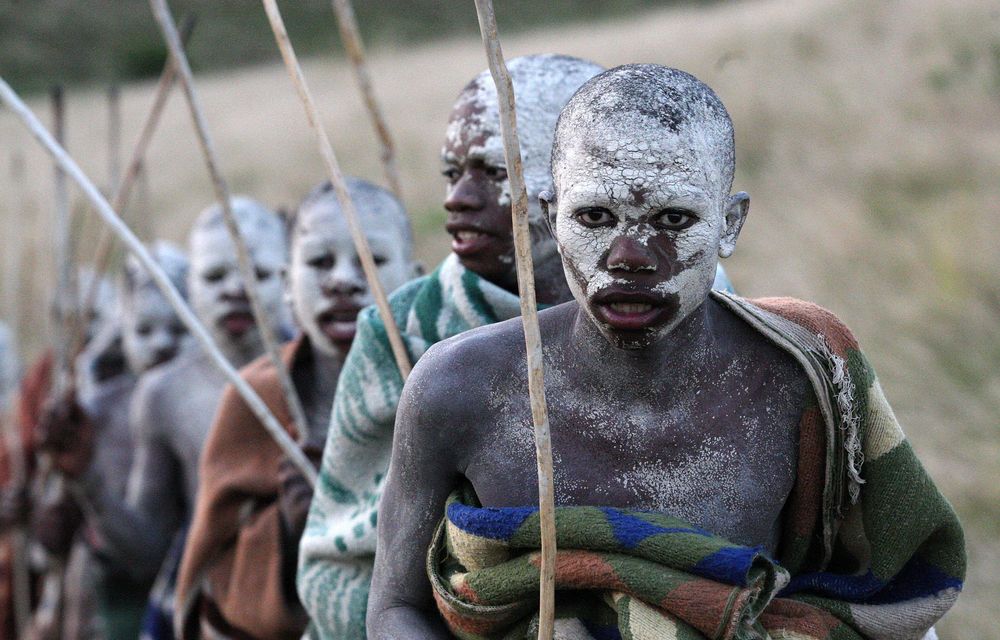
In the diverse tapestry of South African cultural practices, male circumcision holds a prominent place, with the Xhosa circumcision tradition standing out as one of the most ancient and deeply rooted rituals. Rooted in cultural significance, the Xhosa male circumcision ritual is a rite of passage that marks the transition from adolescence to manhood. While this tradition is cherished for its cultural richness, it also raises questions about the intersection of heritage and contemporary health considerations. This article explores the Xhosa male circumcision tradition in South Africa, delving into its historical roots, cultural importance, health implications, and ongoing efforts to strike a balance between tradition and public health.
Historical Roots and Cultural Significance:
The Xhola male circumcision tradition is deeply ingrained in the cultural fabric of the Xhosa people, one of the largest ethnic groups in South Africa. Historically, initiation ceremonies were vital components of the community, symbolizing the transition from boyhood to manhood. The circumcision ritual, known as “Ulwaluko,” is performed in secluded initiation schools, away from the community’s prying eyes. The ceremony involves a period of seclusion, teachings on cultural values, and the actual circumcision, which is believed to confer physical and spiritual maturity.
The initiation process is a testament to preserving cultural identity and transmitting ancestral knowledge from one generation to the next. The sense of belonging, pride, and identity associated with the ritual makes it a cherished tradition within the Xhosa community.
Health Implications and Challenges:
While the Xhola circumcision tradition has deep cultural roots, it is not immune to criticism, particularly concerning its health implications. Circumcision is known to have potential health benefits, including a reduced risk of HIV transmission and other sexually transmitted infections. However, traditional initiation schools have faced challenges such as unhygienic conditions, inadequate medical supervision, and the risk of complications arising from the circumcisions performed by traditional practitioners.
Cases of infections, injuries, and even deaths during the initiation process have sparked debates about the need to modernize and regulate the practice to ensure the safety of participants. Health authorities and activists argue cultural practices should not compromise individual well-being and public health. Striking a balance between cultural heritage and health considerations becomes imperative in addressing these concerns.
Ongoing Efforts to Harmonize Tradition and Health:
Recognizing the need to reconcile tradition with health standards, various stakeholders, including government bodies, healthcare professionals, and cultural leaders, have initiated efforts to modernize and regulate the Xhola circumcision tradition. This involves introducing medical supervision, improving hygienic conditions in initiation schools, and incorporating comprehensive health education into the initiation process.
Collaborative efforts aim to respect the cultural significance of the ritual while mitigating health risks. In this pursuit, community engagement, open dialogue, and the involvement of traditional leaders are crucial. It is essential to acknowledge and respect the autonomy of communities while fostering an environment that prioritizes the health and safety of individuals.
The Xhola male circumcision tradition in South Africa encapsulates the intricate interplay between cultural heritage and contemporary health considerations. As the nation navigates the delicate path of preserving tradition while addressing health risks, it becomes evident that the key lies in open communication, collaboration, and a mutual understanding between cultural custodians, healthcare professionals, and policymakers. Balancing tradition and health is not a simple task, but it is an imperative one for the holistic well-being of individuals and communities.


