


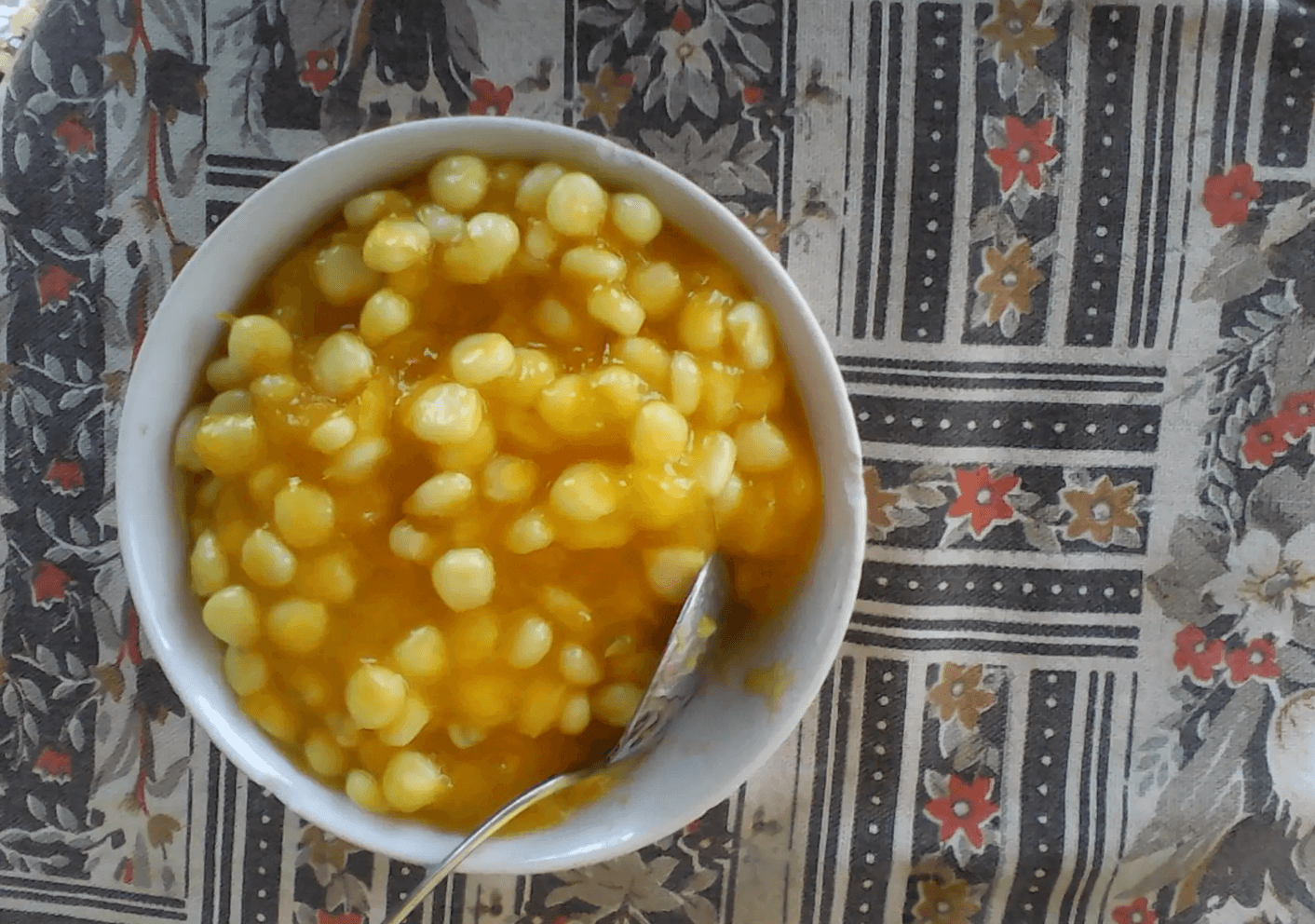
Umxhaxha, a cherished dish from the Xhosa people of South Africa, embodies the essence of communal heritage and simplicity. This traditional meal, primarily made from pumpkin and maize meal, is a testament to the Xhosa community’s resourcefulness and connection to the land. Often enjoyed during family gatherings and cultural ceremonies, Umxhaxha offers both nourishment and a taste of Xhosa identity.
Historical and Cultural Context
The Xhosa, predominantly residing in the Eastern Cape, have a rich culinary tradition shaped by agrarian practices. Umxhaxha emerged as a staple, utilizing readily available ingredients—pumpkin and maize—introduced to Southern Africa centuries ago. Its name, derived from the Xhosa language, reflects its mashed or mixed consistency, symbolizing unity and togetherness. Historically, it has been served during rituals, weddings, and harvest celebrations, reinforcing community bonds.
Ingredients and Preparation
Umxhaxha’s simplicity belies its rich flavor. Key ingredients include:
- Pumpkin: Rich in vitamins, often homegrown.
- Maize meal: A staple carbohydrate, providing energy.
- Onions, butter, or salt: For seasoning, though variations exist.
Preparation Method:
- The pumpkin is peeled, cubed, and boiled until tender.
- Sautéed onions are mixed in, followed by maize meal to thicken the mixture.
- The dish is stirred continuously to avoid lumps, creating a creamy, porridge-like texture.
- Cooked slowly over low heat, it’s seasoned to taste, often with a hint of butter for richness.
Serving and Accompaniments
Umxhaxha is typically served warm, paired with:
- Meat stews: Such as beef or chicken, adding protein.
- Leafy greens: Like spinach or wild herbs, enhancing its nutritional profile.
- Amasi: Fermented milk, offering a tangy contrast.
Modern Adaptations
Contemporary chefs have reimagined Umxhaxha by incorporating spices like cinnamon or nutmeg, or presenting it as a gourmet side dish. Despite these innovations, the core elements remain unchanged, preserving its cultural essence. In urban areas, it’s celebrated during heritage festivals and featured in restaurants promoting indigenous cuisine.
Nutritional and Symbolic Significance
Umxhaxha is both wholesome and symbolic. The pumpkin provides beta-carotene, while maize meal offers sustained energy. Culturally, it represents resilience and adaptability, echoing the Xhosa’s historical navigation of environmental and social challenges.
Umxhaxha is more than a dish—it’s a narrative of the Xhosa people’s journey, a blend of tradition and sustenance. As South Africa embraces its diverse culinary heritage, Umxhaxha stands as a proud emblem of cultural preservation, inviting new generations to savor their history. Whether enjoyed in a rural homestead or a cosmopolitan eatery, it remains a delicious anchor to the past, fostering unity with every bite.


