


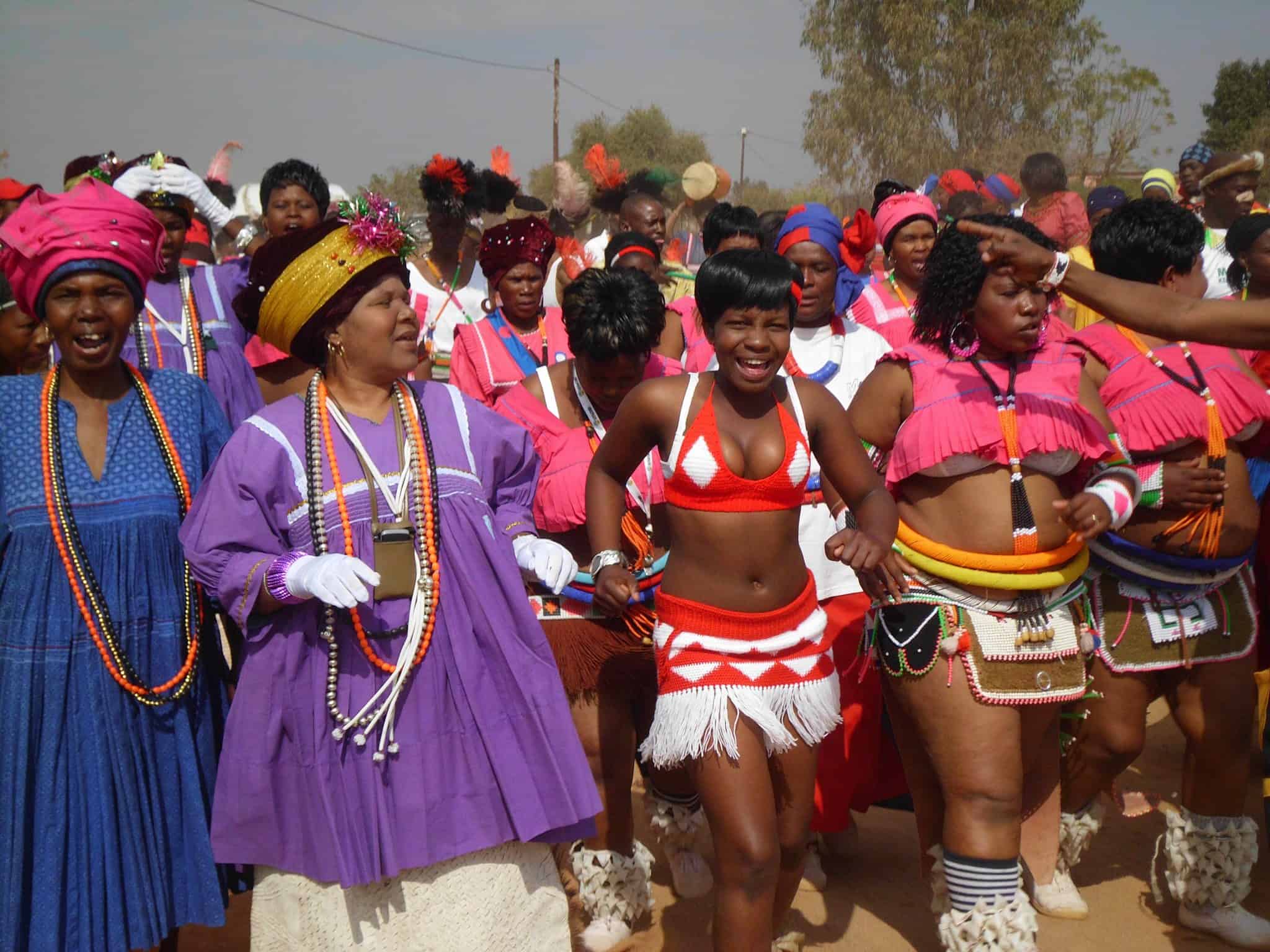
South Africa is a melting pot of diverse cultures, and among its most influential ethnic groups are the Sotho people. The Sotho community is divided into three main subgroups: the Southern Sotho (Basotho), Northern Sotho (Bapedi), and Western Sotho (Batswana). While each group has distinct traditions, they share linguistic and cultural similarities that date back centuries. This article explores the deep-rooted traditions, customs, and lifestyle of the Sotho people, highlighting their influence in South Africa.
Language and Identity
The Sotho people primarily speak Sesotho, one of South Africa’s 11 official languages. Sesotho is part of the Bantu language family and is known for its rich oral traditions, including storytelling, poetry, and proverbs that convey wisdom across generations. The Northern Sotho subgroup speaks Sepedi, while the Western Sotho (Batswana) speak Setswana. Despite these variations, the languages are mutually intelligible.
Traditional Clothing and Cultural Symbols
One of the most recognizable symbols of Sotho culture is the Basotho blanket, worn primarily by the Basotho people of Lesotho and South Africa’s Free State province. These thick woolen blankets are not only a source of warmth but also hold deep cultural significance, representing status, protection, and heritage.
Men traditionally wear the “mokorotlo”, a conical hat made from woven grass, which is an official national symbol of Lesotho. Women wear colorful dresses made from patterned fabrics, often paired with shawls or blankets.
Social and Family Structures
Sotho society is deeply rooted in the philosophy of “ubuntu”, which emphasizes humanity, interconnectedness, and community support. Family structures are patriarchal, with elders playing a crucial role in decision-making.
The “kgoro”, or village council, is an important institution where community issues are discussed and resolved. This form of governance promotes unity and respect within Sotho communities.
Music, Dance, and Oral Traditions
Music and dance are an essential part of Sotho cultural identity. Traditional instruments include:
- Lekolulo – a flute played by herders
- Setolotolo – a mouth harp
- Meropa – drums used in celebrations and rituals
Sotho dance forms are rhythmic and expressive. “Mokhibo” is a unique dance performed by women while kneeling and moving their shoulders gracefully, while “ndlamo” is a vigorous warrior dance performed by men. These performances often accompany weddings, initiation ceremonies, and traditional festivals.
Initiation Rites and Coming-of-Age Ceremonies
Among the most significant Sotho traditions is “lebollo”, the initiation school for young men and women. This practice serves as a rite of passage into adulthood, teaching initiates about cultural values, leadership, and responsibility.
Historically, male initiation involved seclusion in the mountains, where boys learned survival skills and underwent circumcision. Female initiation focused on preparing young women for marriage and adulthood. While modernization has led to some decline in traditional initiation schools, they remain an important cultural practice in many Sotho communities.
Cuisine: Traditional Foods of the Sotho People
Sotho cuisine is simple yet nutritious, relying on locally available ingredients. Some staple dishes include:
- Papa (pap) – a stiff maize porridge, a staple food
- Moroho – wild spinach or leafy greens
- Nama – meat, typically beef or mutton
- Motoho – fermented sorghum porridge
- Joala – traditional sorghum beer, brewed for celebrations
These foods reflect the agricultural lifestyle of the Sotho people, who traditionally relied on farming and cattle herding.
Religion and Spiritual Beliefs
Historically, the Sotho people practiced ancestral veneration, believing that deceased ancestors played a role in guiding and protecting the living. Rituals, offerings, and ceremonies were held to honor these spirits.
Today, many Sotho people are Christian, with a significant influence from Catholicism and Protestant denominations. However, ancestral beliefs still coexist with Christianity, especially in rural communities where traditional healers (sangomas) are still consulted for guidance and healing.
Conclusion: Preserving the Sotho Legacy
The Sotho culture remains a vibrant and integral part of South Africa’s diverse heritage. Through their language, clothing, music, and traditions, the Sotho people continue to uphold their rich cultural identity despite modernization.
As South Africa embraces its multicultural landscape, the preservation and celebration of Sotho traditions are essential in ensuring that future generations remain connected to their roots and history.


