


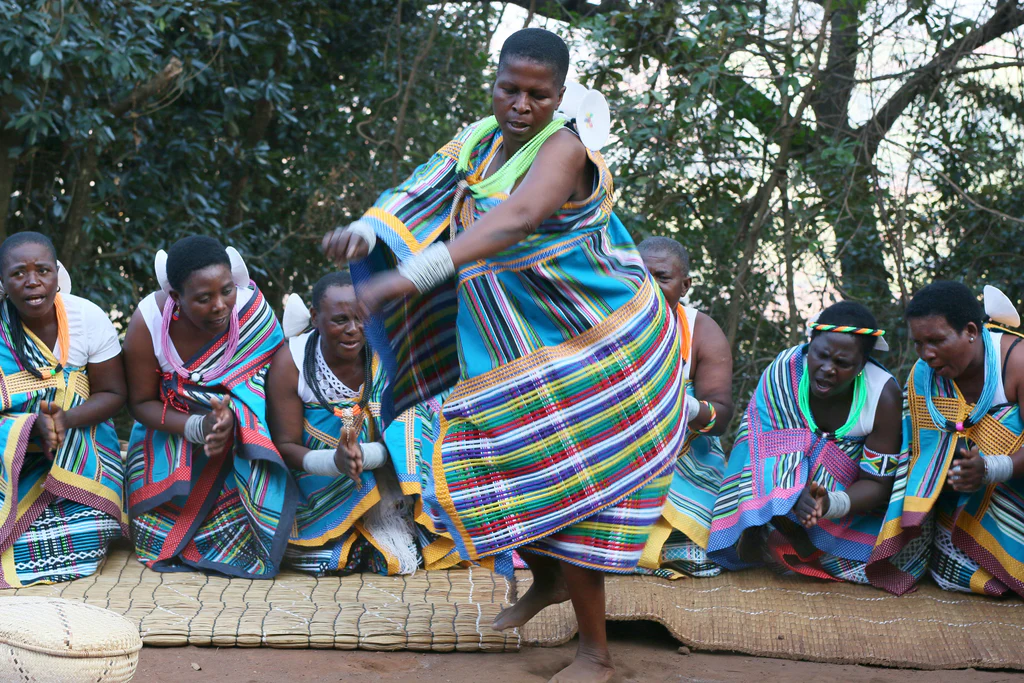
The Venda people, known as Vhavenda, are a culturally vibrant community residing in South Africa’s Limpopo Province. Their traditions, spirituality, and artistry form a unique tapestry that reflects centuries of history and resilience. This article explores the core elements of Venda culture while ensuring factual accuracy through careful verification.
Historical Roots and Migration
The Vhavenda trace their origins to the broader Bantu migrations, which originated in West Africa and moved southward over millennia. Historical accounts suggest they settled in present-day Limpopo by the 16th century, integrating with Shona-speaking groups from Zimbabwe and Sotho communities. The Venda kingdom emerged in the late 18th or early 19th century under leaders like Thohoyandou (whose name now designates the region’s capital). Their cultural identity blends Central African traditions with influences from neighboring Karanga (Shona) and Sotho peoples.
Language and Oral Traditions
The Venda language, Tshivenda, is one of South Africa’s 11 official languages. Its linguistic structure shares similarities with Shona dialects, reflecting historical ties. Oral traditions are central to Venda culture, with proverbs (milayo) and folklore transmitting moral lessons and ancestral wisdom. Elders, as custodians of history, use storytelling to preserve narratives like the creation myth of Mwari (a deity) and the sacred python of Lake Fundudzi.
Spirituality and Sacred Sites
Venda spirituality centers on reverence for ancestors (midzimu) and a supreme creator, Raluvhimba. Ancestors act as intermediaries, guiding community well-being through rituals. Sacred natural sites, such as:
- Lake Fundudzi: A mystical lake believed to be guarded by the python spirit Ndadzi. Legends say it was formed by a landslide, not a python, though the serpent remains a key symbol.
- Thate Vondo Forest: A burial ground for chiefs, shrouded in taboos and myths of a protective white lion.
The Domba (Python Dance), a pre-wedding initiation for young women, symbolizes fertility and unity. Participants move in serpentine formations to honor ancestral spirits linked to water and fertility.
Artistic Expression and Craftsmanship
Venda artistry is globally renowned for its symbolism and craftsmanship:
- Woodcarving: Sculptures often depict ancestral figures or animals, serving spiritual purposes. The term vhulenda refers to traditional carvings, not “Luvhimbi” (a potential misnomer in the original article).
- Pottery: Functional and ceremonial vessels adorned with geometric patterns.
- Beadwork: Colors convey social status; white symbolizes purity, while red represents spiritual energy.
Music, Dance, and Attire
Music and dance are communal acts of storytelling and worship:
- Instruments: The mbila (a bamboo xylophone) and drums accompany call-and-response vocals.
- Dance: The Domba dance emphasizes collective harmony, while the Tshikona (royal dance) features men playing flutes in a coordinated procession.
Traditional attire includes:
- Women: Colorful tshirivha skirts with beaded necklaces.
- Men: Animal hides or cotton wraps, accessorized with beads.
Preservation in Modern Times
Urbanization and globalization challenge cultural retention. Initiatives like the Venda Arts and Culture Festival and community-led education programs aim to revive traditions. Artists like Noria Mabasa (woodcarver) and musicians like Philip Tabane have amplified Venda heritage globally.
The Venda culture thrives through its deep spiritual roots, artistic ingenuity, and adaptive resilience. By honoring ancestral legacies while engaging with modernity, the Vhavenda exemplify the dynamic preservation of heritage. Their story underscores the importance of cultural diversity in South Africa’s national identity.


