


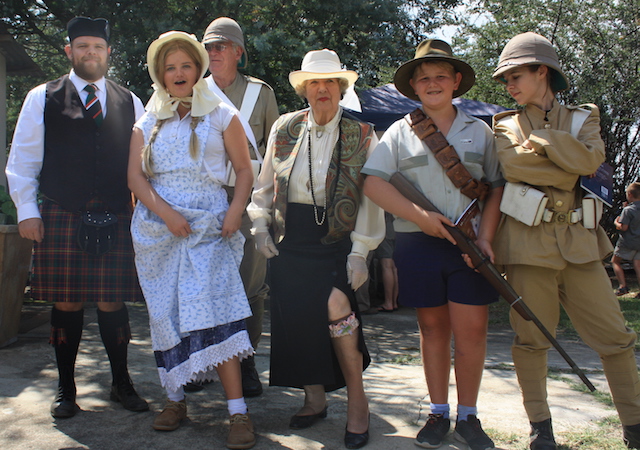
South Africa’s Afrikaans culture is a dynamic blend of history, resilience, and cross-cultural exchange. Emerging from Dutch colonial roots in the 17th century, it has grown into a distinct identity shaped by European, African, and Asian influences. Today, Afrikaans culture—expressed through language, arts, cuisine, and traditions—reflects both its complex past and its evolving role in a democratic South Africa.
The Afrikaans Language: A Bridge Between Worlds
Afrikaans, one of South Africa’s 11 official languages, evolved from 17th-century Dutch but developed into a unique creole. It absorbed vocabulary from Malay, Portuguese, Khoisan, and Bantu languages, reflecting interactions between Dutch settlers, enslaved peoples, and indigenous communities. Once dismissed as “kombuistaal” (kitchen language), it gained official status in 1925. Today, over 7 million South Africans speak Afrikaans, with the majority belonging to Coloured communities (mixed-race descendants of diverse heritage), followed by White Afrikaners. Its expressive idioms and simplicity make it a living language, thriving in literature, media (e.g., TV channel kykNET), and everyday conversation.
Historical Foundations: Conflict and Identity
The Dutch East India Company’s 1652 settlement at the Cape marked the start of European influence. German, French Huguenot, and Scandinavian migrants later added to this mix. British colonization in 1806 spurred the Great Trek (1830s–1840s), as Boers (Afrikaner farmers) migrated inland to establish republics like the Transvaal. The brutal Anglo-Boer Wars (1880–1881 and 1899–1902) against British rule entrenched a narrative of Afrikaner resilience. However, the 20th-century apartheid regime (1948–1994), rooted in Afrikaner nationalism, left a legacy of oppression. Post-apartheid, Afrikaans culture has sought to redefine itself, balancing pride with accountability.


