


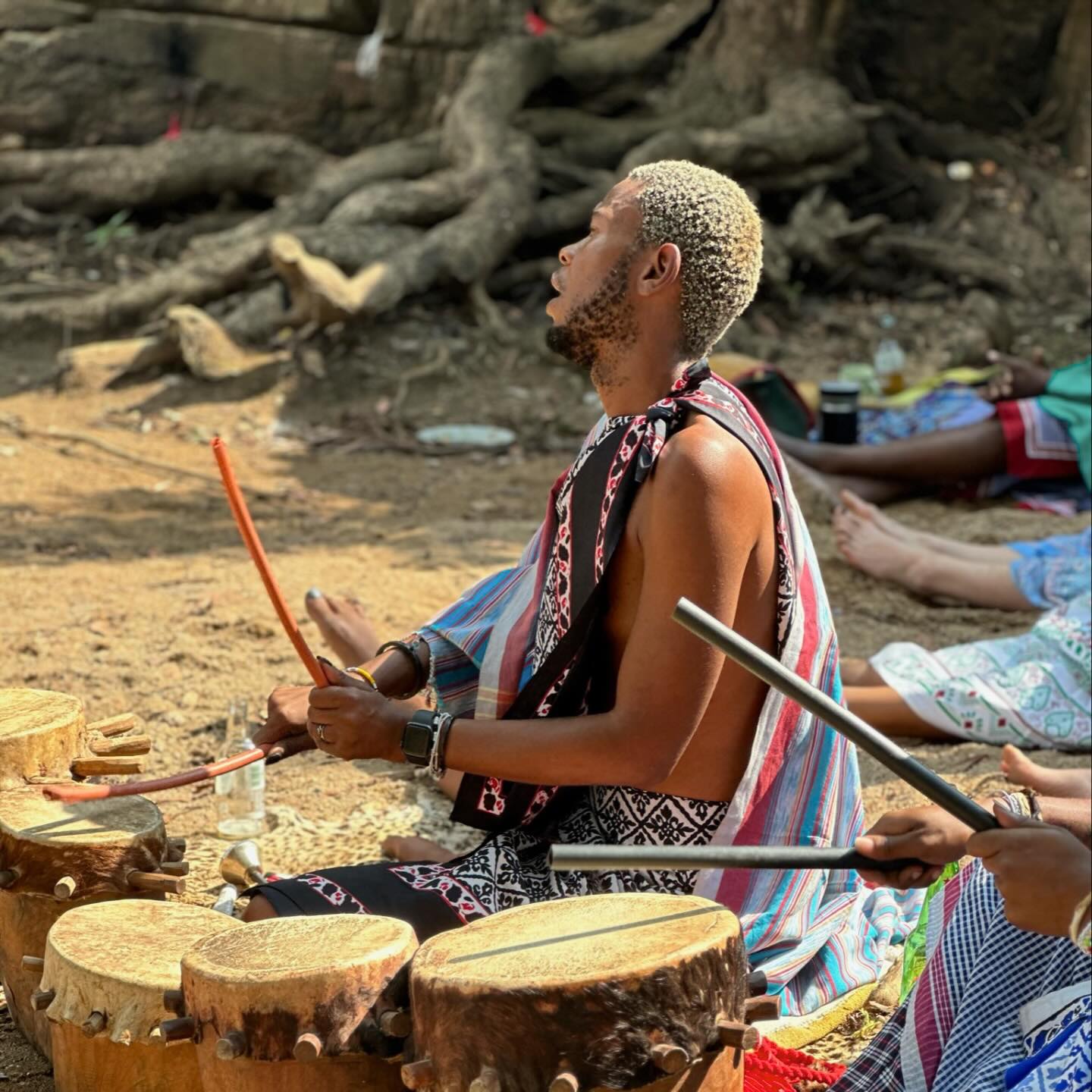
A decade ago, stumbling upon a traditional healer on social media would have been a rare occurrence. Yet today, platforms like Twitter, Facebook, and YouTube are teeming with healers offering advice and insights into African spirituality and traditional remedies. This surge suggests a growing embrace of African cultural practices among millennials, with some advocating for a decolonized approach to medical care, particularly concerning mental health.
Tiisetso Makhubedu, a 28-year-old traditional healer, proudly acknowledges his role in revitalizing African cultural traditions on native soil. In a piece for Sunday World, he champions the resurgence of interest in traditional healing practices among young Africans. Makhubedu is part of a burgeoning community seeking to blend conventional medical approaches with traditional healing methods, reflecting a desire for holistic healthcare solutions.
Nompumelelo Prudence Kubeka epitomizes the millennial embrace of tradition within a modern context. As both a clinical psychologist and a traditional healer, she navigates the intersections of these disciplines. Kubeka, also known as Gogo Dlozi in spiritual circles, highlights the symbiotic relationship between psychology and traditional healing. She emphasizes the importance of discerning between spiritual and medical ailments, advocating for integrated approaches to treatment.
In many African cultures, the initial response to mental health challenges often involves traditional healing rituals, rooted in the belief that such issues stem from spiritual imbalances. However, Kubeka acknowledges the necessity of recognizing when medical intervention is warranted, underscoring the importance of destigmatizing mental illness within African communities.
Historically, mental illness was often dismissed within black communities as a “white” affliction. However, Kubeka stresses the importance of education and dialogue in reshaping cultural perceptions of mental health. She advocates for a harmonious integration of traditional healing practices with contemporary medical understanding, emphasizing the value of holistic care.
The acceptance of traditional healing among millennials varies, influenced by factors such as upbringing and cultural beliefs. However, the visibility of traditional healers on social media platforms has facilitated broader conversations and increased exposure to African spiritual practices. Kubeka sees this as part of a broader movement towards decolonizing beliefs and reclaiming African heritage.
In conclusion, South African millennials are increasingly embracing traditional healing practices as part of a broader cultural resurgence. This shift reflects a growing recognition of the value of holistic healthcare approaches rooted in African traditions, alongside contemporary medical practices.
O


