


South Africa is a diverse nation, rich in cultural heritage, and its Black population is made up of various ethnic groups, each with its own unique traditions and history. Among the Black South African ethnic divisions, the Nguni, Sotho-Tswana, Shangaan-Tsonga, and Venda are prominent. This article focuses on the Tswana people, exploring their culture, language, beliefs, and historical journey.
Language, Culture, and Beliefs
The Tswana people, with a population of around 4 million in southern Africa, are known for their rich cultural heritage. Tswana culture shares similarities with other Sotho groups, emphasizing complex legal systems, social organizations, ceremonies, and religious beliefs. Tswana chiefdoms were often more stratified than those of other groups.
Traditionally, the Tswana practiced a combination of livestock raising and crop cultivation for subsistence. They were skilled craftsmen in metalworking, leatherworking, and wood and ivory carving. Villages were organized into wards, and economic responsibilities were shared among residents. The cattle kraal played a central role in Tswana villages, reflecting the importance of livestock in their lives.
Tswana villages were organized into age-sets, where men and women with similar ages had specific responsibilities. Initiation ceremonies marked transitions between tasks. The Tswana were known for their capacity to absorb foreign peoples without compromising their institutions, facilitated by socioeconomic mechanisms like mafisa and the ward system.
Marriage rules among the Tswana were usually endogamous, with a preference for partners related through patrilineal descent ties. The Tswana received Christian missionaries in the 19th century, leading to the incorporation of Christian and non-Christian practices into their belief systems.
Arts, Language, and Literacy
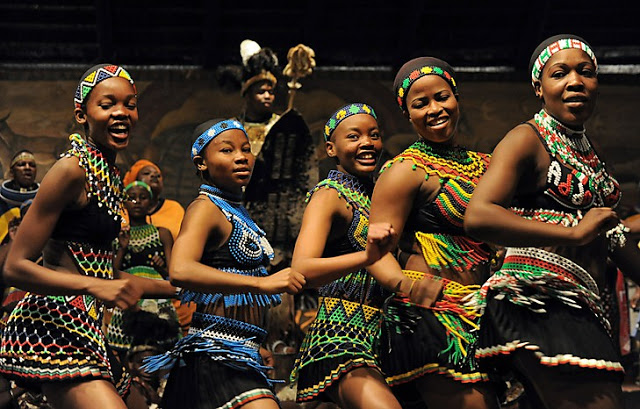
The Tswana people have a rich artistic tradition, including wood carving, basket weaving, beadwork, and beautifully designed houses. Song and dance, known as pina and pino, are highly developed forms of artistic expression. Choirs perform on official and ritual occasions, composing lyrics that narrate and critique the past and present.
The Tswana language, Setswana, is closely related to Sotho and is one of the 11 official languages recognized by the South African Constitution. Setswana is also the national and majority language of Botswana. The language has a rich literary history, with written texts dating back to the early 19th century when missionaries like Dr. Robert Moffat translated the Bible into Tswana.
Origins and Historical Journey
The Tswana people have ancient origins, with archaeological evidence suggesting their presence in South Africa as early as 1300-1500. Linguistic data indicates an East African origin, specifically in present-day Tanzania. By 1500, the Tswana had expanded south and west, forming distinct clusters: South Sotho (Basuto and Sotho), West Sotho (Tswana), and North Sotho (Pedi).
The 19th-century difiqane period, characterized by warfare and migration, impacted the Tswana, causing suffering, political disintegration, and forced movement. European traders and missionaries arrived, escalating trade and empowering some Tswana chiefs. The discovery of diamonds and gold in the 1860s and 1870s led to further changes, including the introduction of the migrant-labor system.
In the 20th century, the Tswana faced challenges such as the imposition of apartheid, the establishment of homelands, and the loss of territory to Afrikaner and British officials. The Bophuthatswana homeland, established in 1953, faced political unrest and was officially dismantled after the 1994 elections.
The Tswana people’s rich cultural heritage, resilience in the face of historical challenges, and contributions to art, language, and literature are integral to the broader tapestry of South Africa’s diverse society. Understanding their traditions and historical journey allows us to appreciate the depth of the Tswana people’s identity and their enduring impact on the cultural mosaic of the region.
