


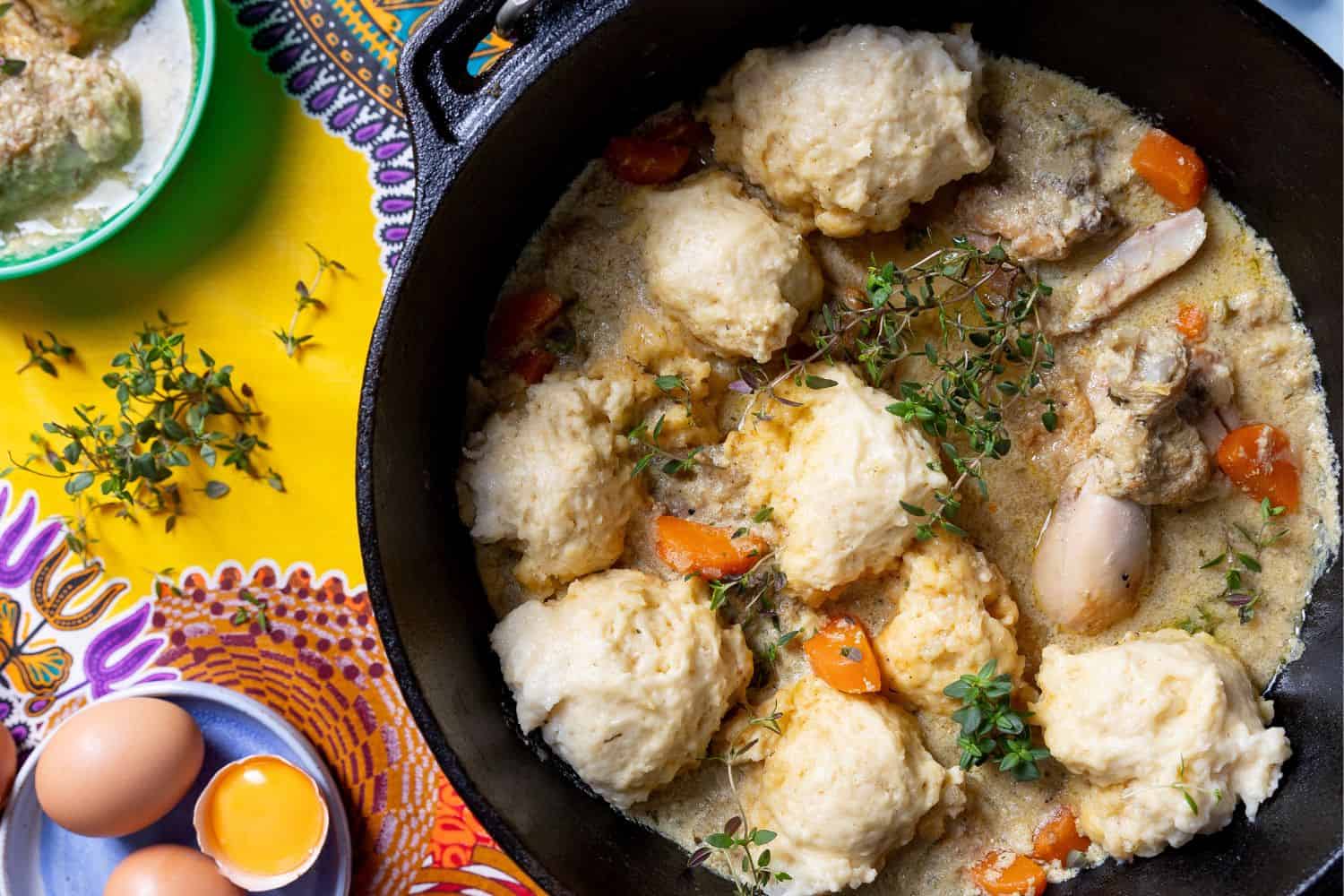
Dombolo, a South African culinary classic, holds a special place in the hearts of many, boasting deep-rooted cultural significance. The term ‘Dombolo,’ originating from the Nguni language group, translates to ‘dumplings’ in English. These cherished bread-like delights are relished across Southern Africa, known by different names such as ‘madombi’ in Botswana and ‘dumpling’ in Zimbabwe.
Historical Influences: While the exact origins of Dombolo remain elusive, it is widely believed that the dish was influenced by European settlers who introduced the concept of bread to Africa. Ingeniously, indigenous people transformed it into a dumpling suitable for boiling, aligning with their traditional cooking methods.
Evolution and Popularity: Though the precise evolution of Dombolo is challenging to trace, one thing is certain: it has ingrained itself in the hearts of South Africans and beyond, emerging as a household staple over the years.
Pro Tips for Perfect Dombolo:
- Soft and Sticky Dough: Achieve the perfect Dombolo texture by keeping the dough soft and slightly sticky – a characteristic that contributes to its trademark fluffy interior.
- Patience is Crucial: Allow the dough to rest and rise adequately; rushing this process may result in dense dumplings. Patience is key for the desired light and fluffy outcome.
- Avoid Overcrowding: When cooking, resist the temptation to overcrowd the pot. Dumplings expand during cooking, requiring sufficient space for optimal puffiness. Patience in this regard yields rewarding, fluffy Dombolo.
Ideal Occasions for Dombolo: Dombolo’s versatility makes it suitable for any meal setting. Traditionally paired with stews and curries, these dumplings are a must-have at family gatherings and Sunday lunches. Their comforting warmth also positions them as a popular choice during South Africa’s winter months.
Incorporating these insights into your Dombolo preparation will undoubtedly elevate this South African culinary gem, ensuring a delightful and memorable dining experience.


