


There are moments in life when we feel deeply aligned with our purpose—when the rhythm of existence syncs with the pulse of a culture, a movement, and a shared vision. My time in KwaMhlanga, KwaNdebele, Mpumalanga, for The Ladiez Sing Ndebele Music Celebration was one such experience. It was a week filled with learning, sharing, and a profound reminder of the transformative power of the arts—not just as a form of entertainment, but as a catalyst for empowerment, cultural preservation, and community upliftment.
More Than a Concert: A Cultural Revolution
Curated with excellence by Thoko Hlahla of 08 Thirty Productions, this event was far more than a musical showcase. It was a groundbreaking initiative aimed at ensuring that artists are recognized, heard, and protected. Funded by the National Arts Council (NAC) and the Department of Sport, Arts and Culture (DSAC), this program demonstrated the immense impact that meaningful cultural investment can have.
Beyond Performance: Knowledge as Power
Before the main celebration, the event kicked off with a Workshop on Copyright, Intellectual Property, and the Music Business—a vital conversation in an industry where artists are often vulnerable due to a lack of legal and financial knowledge. The discussions surrounding the Copyright Amendment Bill and the Performers Protection Bill, currently awaiting approval from President Cyril Ramaphosa, were particularly enlightening.
A key message from the workshop was clear: artists are not just performers; they are businesses and brands. Understanding their worth, their rights, and the significance of intellectual property ownership is crucial. Many attendees shared their personal experiences—both triumphs and challenges—with organizations such as SAMRO and other collecting societies, making it a space of open dialogue, shared learning, and empowerment.
Thoko Hlahla emphasized the need for such workshops in rural areas like KwaNdebele, where artists are often excluded from critical industry discussions. Her vision is to expand this initiative into an annual program, ensuring more artists gain access to essential industry knowledge.
Documenting History: A Leap for Film and Television
Adding another dynamic layer to the event, Ziwaphi Sgidla Va Film Productions, under the leadership of the talented Sakie Glen Mokoena, was brought in to document the experience. Their role was not just about capturing performances but about preserving stories, emotions, and the event’s lasting impact.
What made their involvement even more significant was their decision to extend their stay in KwaNdebele to shoot a pilot TV production, featuring local talent and locations. This spontaneous move highlighted the region’s untapped potential for storytelling and film production. There is a pressing need for organizations like the Gauteng Film Commission (GFC), the National Film and Video Foundation (NFVF), and major broadcasters to recognize and support this initiative, as the work done by Ziwaphi Sgidla Va Film Productions deserves national attention.
A Stage Worthy of Legends
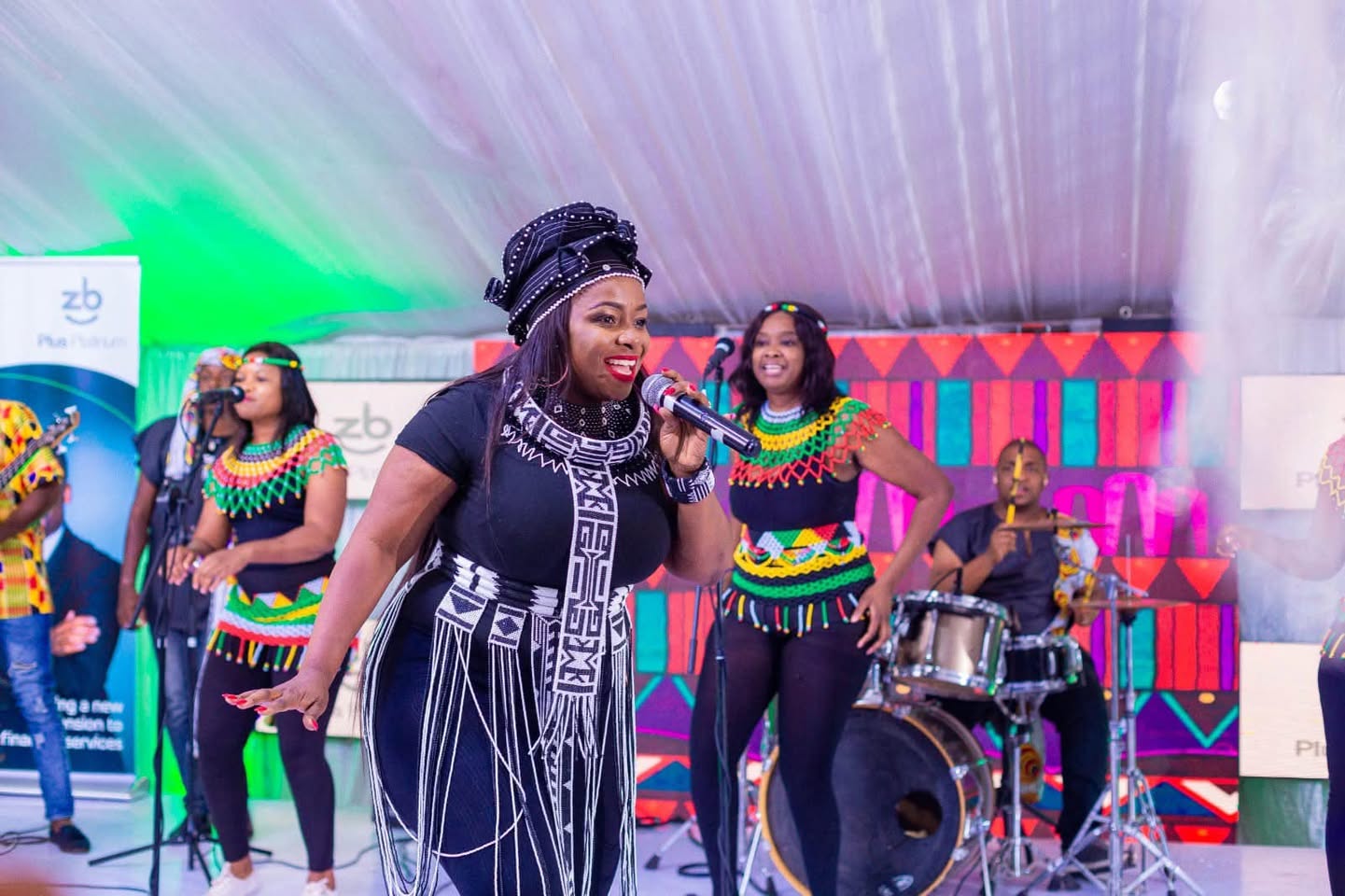
The main event itself was a breathtaking celebration of Ndebele music and culture. The stage, meticulously designed for this occasion, provided a grand platform for both emerging and renowned artists to showcase their talent. The audience was captivated, engaged, and deeply moved—an undeniable testament to the exceptional curation of performances.
But this was more than just a concert. It was a cultural renaissance, a moment of recognition for Ndebele music and the narratives it carries. It was a powerful reminder that indigenous music is not merely entertainment—it is a living archive of identity and heritage.
Investing in the Future of the Arts
The work done by 08 Thirty Productions, along with the support of NAC and DSAC, is truly commendable. Their investment was not just an event—it was a transformative act of cultural preservation and empowerment. Continued investment in such initiatives is essential, as these are the projects that uplift communities, safeguard traditions, and create economic opportunities for artists.
A Personal Reflection: Rejuvenated and Inspired
Spending a week in KwaNdebele was not just a professional endeavor—it was a deeply spiritual and emotional awakening. I had the privilege of meeting extraordinary artists, families, and cultural custodians whose passion, humility, and dedication reaffirmed my commitment to advocating for the arts.
As the African proverb says, “It takes a village to raise a child.” In KwaNdebele, I witnessed that village in action—nurturing its artists, safeguarding its traditions, and shaping a future where the arts are valued as a force for change.
I left feeling rejuvenated, inspired, and more committed than ever to this journey. Because the arts are not just something we create—they are who we are.


